Services
Airbnb Management Phuket
Stress-Free Airbnb Hosting in Phuket with Phuket Property Manager
Airbnb Management Phuket, Local Experts You Can Trust
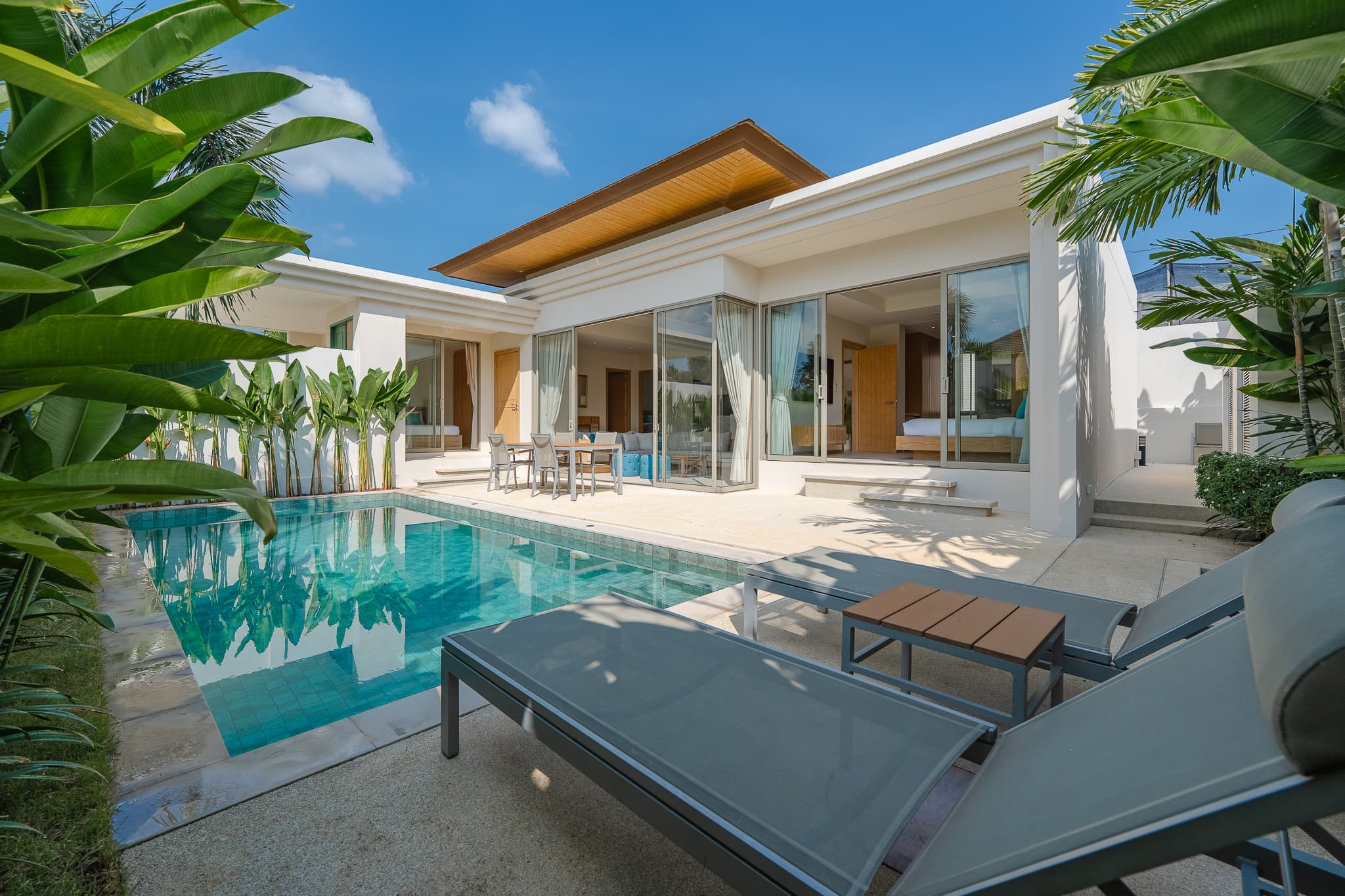
So, you’ve got a place in Phuket and you’re thinking, “Hey, I could rent this on Airbnb and make some extra money.” Good idea. But let’s be real, managing an Airbnb isn’t all sunshine and smooth check-ins. There’s cleaning, guests calling at weird hours, calendars to update, and all the little stuff in between. That’s why Phuket Property Manager is here. We offer full Airbnb management in Phuket that makes hosting super simple and actually worth your time.
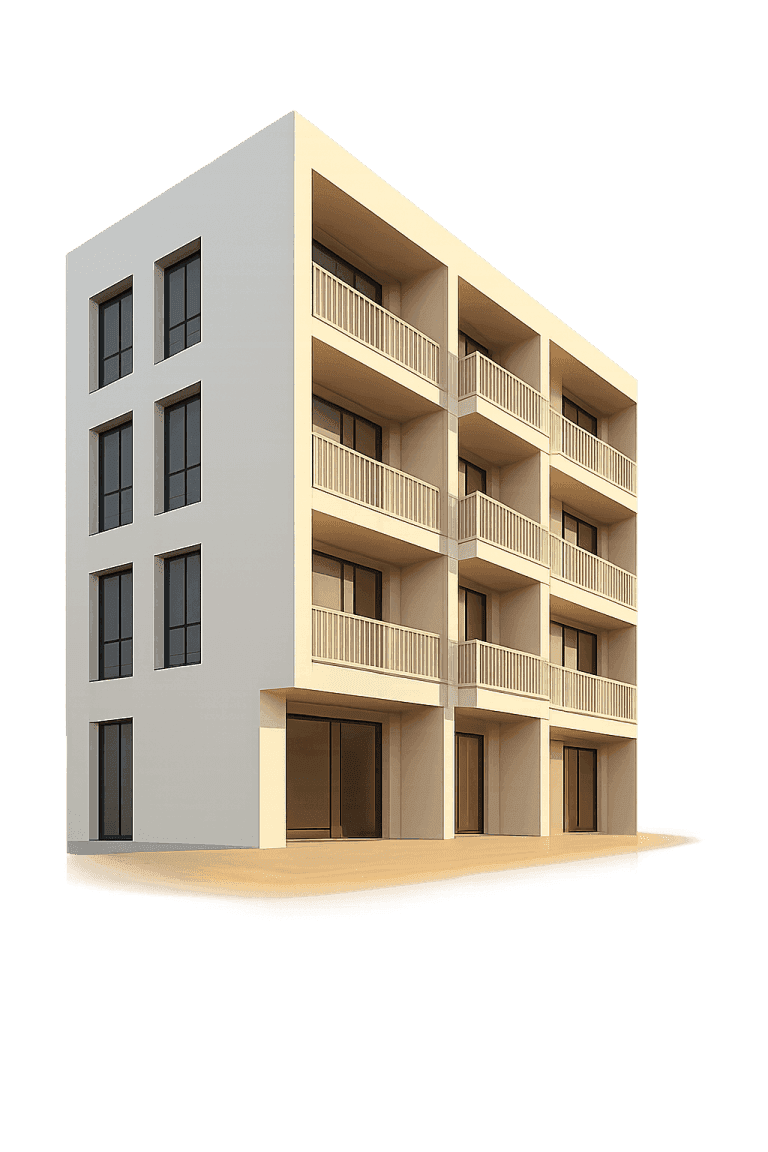
Whether you’re living on the island or managing your rental from overseas, we treat your place like it’s our own. Our team handles everything from guest messages to deep cleaning and pricing so you can just relax and watch your income grow.
Guest Screening & Management
We handle all guest communication from the first message to check-out. Our team makes sure every guest is screened and supported 24/7, so your property stays protected and guests feel well taken care of. When guests feel welcome and the experience runs smooth, you get better reviews and more repeat bookings for your Airbnb in Phuket.
Maintenance & Housekeeping
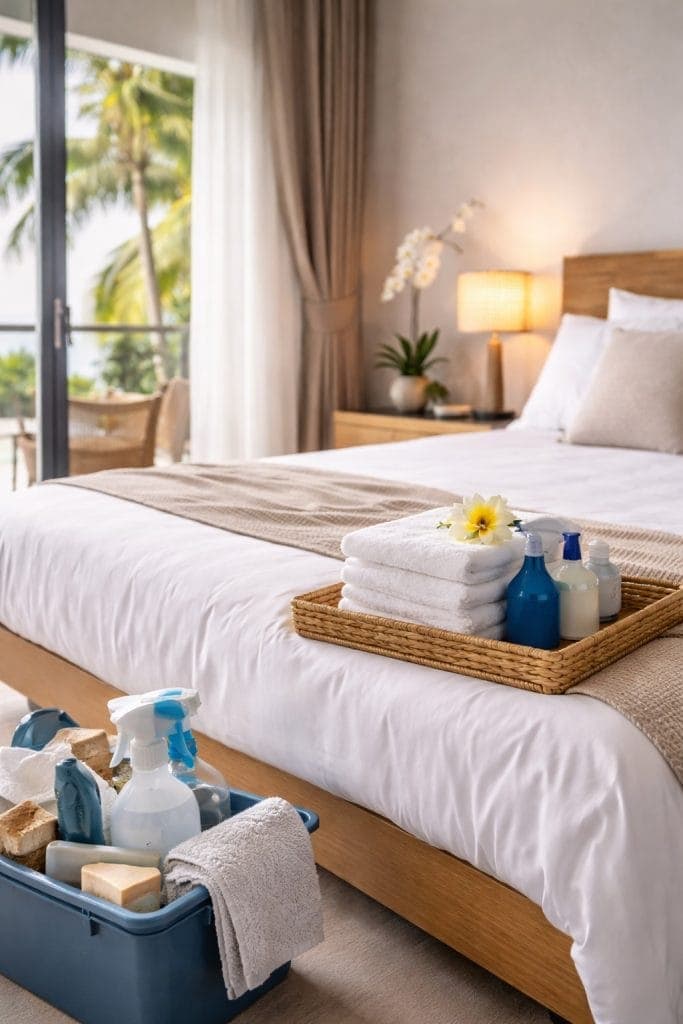
Clean homes get better reviews, so we treat your property like it’s our own. After every stay, our cleaners do a full reset, fresh linens, clean towels, restocked supplies. We also handle quick repairs like broken lights or aircon issues, and we inspect regularly to keep your place in great shape year-round.
Financial Reporting & Transparency
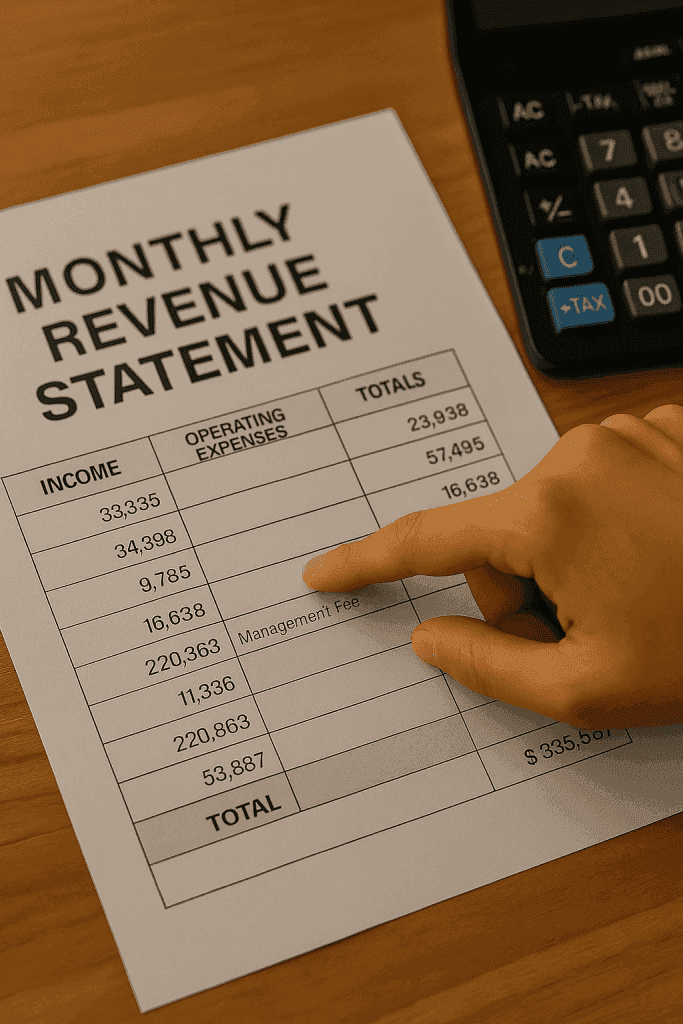
You get monthly reports showing how your rental is performing, what you’re earning, and what’s coming next. Our reporting is simple, clear, and always honest, no confusing fees or hidden costs. You’ll always know what’s going on with your property, even if you live thousands of miles away.
Marketing & Rental Optimization
We do more than just list your property. We write listings that convert, update pricing based on demand and season, and promote your home across Airbnb and other booking platforms. Better visibility means higher occupancy, better guests, and more profit from your short-term rental in Phuket.
our features
Who We Are, Phuket Property Manager
We’re Phuket Property Manager, a trusted name when it comes to property management in Phuket. We live here, work here, and know the ins and outs of what makes a short-term rental successful. This isn’t just a job for us. We actually care about every single property we manage. Our whole team treats your place like it’s our own home. If something’s not right, we fix it. If a guest needs something, we’re there. You won’t find that level of care with just any Airbnb service.
We’ve helped owners across the island get better reviews, higher earnings, and way less stress. From cleaning and repairs to check-ins and guest support, we do it all and we do it right.
Tailored Strategy
At Phuket Property Manager, we don’t do cookie-cutter plans. We create a custom approach for your property based on your goals, location, and rental style. Whether you’re living on the island or managing your rental from overseas, we handle pricing, listings, and guest strategy so you can relax and watch your income grow.
Proactive Upkeep
Clean homes bring better guests and better reviews. We take care of professional cleaning after every stay, regular property checks, and fast repairs when something needs fixing. From fresh linens to quick maintenance, we treat your place like it’s our own home and keep it ready for every guest.
Transparent Reporting
You always know how your property is performing. We provide clear monthly reports so you can see income, expenses, and bookings without confusion. No hidden costs, no guessing. Just honest reporting that helps you stay in control of your Airbnb investment in Phuket.
Smart Pricing Options
What’s Included in Our Airbnb Management Services
At Phuket Property Manager, we don’t do cookie-cutter plans. We create a custom approach for your property, based on what you need and what works best for the location, style, and your goals. Here’s what our Airbnb management in Phuket covers:
Full Airbnb setup and listing creation ; Guest communication before, during, and after stays ; Smart pricing and calendar management ; Fast, reliable check-ins and check-outs ; Professional cleaning and laundry after every booking ; Restocking supplies and essentials ; Property inspections and maintenance ; Monthly reports so you see what’s going on
You don’t have to lift a finger. We’ll handle it all like we’re managing our own place.
Size-Based Plans
Whether you own one small condo or a luxury villa, we work with all types of property owners in Phuket. Some of our clients live abroad and can’t be here to manage the day-to-day stuff. Others live locally but just don’t have the time or want the stress of dealing with bookings and guests. And then there are investors with multiple homes who need a reliable partner to handle the full package.

Itemised Billing Transparency
You’ll always know where your money goes. Every month we send you a clear report showing your income, expenses, and upcoming bookings. No hidden fees or confusing numbers, just simple reporting that gives you full control over your Phuket short-term rental.
Performance-First Management
We only win when you do. That’s why we focus on keeping your property booked with the right guests at the right price. Our team handles listing optimization, guest experience, cleaning, and dynamic pricing to make sure your income stays strong all year round.

Ready to Let the Pros Handle It?
Why Choose Phuket Property Manager?
There are plenty of services out there that promise good results, but we actually deliver. We’re different because
- We’re locals and we know Phuket and its rental market
- We’re experts with years of experience in property management
- We care and treat every property like it’s our own
- We’re transparent with no hidden fees or fake promises
- We’re flexible and you get custom service based on what you need
Whether you want full Airbnb management or just help with cleaning and guest check-ins, we’ll build the perfect plan for you.
No matter your situation, we’ve got you covered. We’ll help turn your home into a high-performing short-term rental that guests love and that brings you solid returns every month.
For Phuket Property Owners Who Want Real Results
Let’s be honest, managing a short-term rental is kinda a full-time job. But it doesn’t have to be your job. With Phuket Property Manager, you get a team that knows how to take care of everything and bring in more bookings, better guests, and steady income.
No more worrying about towels, angry guests, or check-in mixups. We’ve got it all sorted. Just hand us the keys and we’ll take care of the rest.
Cleaning, Repairs & 5-Star Guest Service
Clean homes = happy guests = better reviews = more bookings. It’s really that simple. That’s why we take cleaning super seriously. Every time a guest checks out, our team goes in and does a deep clean. We change linens, restock basics, check everything works, and make sure it’s spotless just like we would in our own house.
Full Concierge Service
We also deal with repairs fast. Got a leaky tap or broken light? We’ll fix it before it becomes a problem. And for guests, we’re always available. Late-night questions, lost keys, weird Wi-Fi issues. We’ve seen it all, and we handle it with a smile.
Make More Money from Your Short-Term Rental
Phuket is one of the top spots for Airbnb rentals in Thailand. The demand is strong all year, especially in tourist areas like Patong, Kata, Karon, Rawai, Kamala, Bang Tao and Surin. But without good management, you could be leaving money on the table.
How it works
The legal question comes first, not last.
Every other step depends on the answer, and it is the one most managers leave until after you have signed.
- 1
We answer the licence question
Stays under thirty nights are hotel business under Thai law, and most private properties hold no licence. We tell you which side yours falls on, in writing, and we would rather decline than list you and hope.
- 2
We prepare the property
Photography, listing copy, linen and consumables, the small repairs that decide a first review. Short stays age a property faster than long ones, and the schedule is built for that from day one.
- 3
We list across the channels
Airbnb, Booking.com, Agoda and direct, with a pricing calendar that follows high season, green season and the holidays that matter to each market. No single platform decides your year.
- 4
You get a statement every month
Every booking and every expense, itemised, with the platform commission shown separately from ours. Whether the month was busy or quiet, it arrives on the same date.
Before you list
Not every Phuket property belongs on the short stay platforms.
The risks that end a short let are legal and contractual, not operational, and they are decided before a single photograph is taken. Work through these before you spend anything.
Start with the licence question
Stays of under 30 nights fall under the Thai Hotel Act, and most private villas and condos hold no hotel licence. Two honest routes exist: let from 30 nights and up, which sits outside the Act, or pursue a licence or exemption where the land, the building and the room count genuinely qualify. Enforcement is uneven, and what usually starts it is a complaint from a neighbour or a committee rather than an inspection, so being tolerated today is not the same as being protected tomorrow. We tell you which situation your property is in before a listing goes live. None of this is legal advice, and anything contested belongs with a Thai lawyer.
Your building may already have decided
Plenty of condo juristic persons and private estates ban nightly stays in their own regulations, whatever Thai law allows. Read the regulations and the recent committee minutes, not the brochure you were handed at purchase, because committees change this position far more often than they change the rules. Silence is not permission either: ask in writing and keep the answer. We check this on the first visit and say so plainly when it closes the subject.
The policy that quietly stops covering you
Most household policies are written for an owner occupied or long let property, and paying guests are excluded. Letting on short stays without telling your insurer can leave you uncovered for precisely the event you bought the policy against. Tell them, get the position back in writing, and accept that the cover may have to change. It is a short conversation at the start and an unpleasant discovery later.
How fast can anyone actually get there
Short stays are decided in the hour, not in the month. A guest locked out at midnight, an aircon that dies on a Saturday, a pool that turns green after a storm: each needs someone on site quickly, not on Monday. Ask any manager how long it takes to get from their office to your gate at five in the afternoon, and ask for that answer in writing. If nobody can be there fast, the reviews will say so before you do.
The house has to suit the guest, not you
Guests book on layout, air conditioning that copes with April, a pool that matches its photographs, and beds that are genuinely comfortable. A villa that works for you for six weeks a year can still be wrong for a family of six arriving at eleven at night. We walk it and write down what a paying guest will actually find: the water pressure in the second bathroom, the wifi that drops at the far end of the garden, the mattress that has sat in the sun for years. Some of that has to be put right before the first booking and some can wait, and we separate the two in writing rather than handing you one long list.
Your own use is part of the equation
If you want the villa for high season every year, say it now. Owner dates go into the calendar before a single night is sold, and we build around them. We also need to know how you live in it when you are here, because a house with a locked owner's cupboard, a boat to move or a dog to feed is a different operation from an empty one. A property blocked through the busiest weeks is not a worse property. It is simply not the same one to manage.
We would rather lose you than list you
If a property cannot let legally, we will not put it online and call it a grey area. That costs us clients, and that is the point of saying it here. A manager who lists first and discusses the rules afterwards is moving their risk onto your name, because it is your name on the title and not theirs. If the honest answer is that short stays do not work for your property, we say it and leave it there.

Are we a fit
We are a small company, and that cuts both ways.
Two of us run this: Silvain and Pattama, with ten years on the island between us. Here is what that gets you, and where it will frustrate you.
No single platform decides your year
We list on Airbnb, Booking.com and Agoda, and we build direct enquiries alongside them. Accounts get suspended over a disputed review or a verification glitch, ranking rules get rewritten, and the nationalities a platform sends you change without warning. A property that lives on one channel is one policy change away from a very quiet month. The price of running several is calendar discipline, because a double booking in high season is worse than an empty week.
Pricing that follows the season
High season, green season, Chinese New Year and the Russian holiday weeks are four different markets, and they do not fall on the same dates each year. We reprice as the booking window moves, against what comparable properties are actually booking, instead of setting a rate in November and leaving it alone until Easter. Minimum stays move with it, because a short gap between two bookings is worth more filled than protected. What we will not do is tell you in advance what the year will produce.
Reviews are the asset that compounds
A listing with a long run of honest reviews sells itself, and ratings are the one thing that carries from year to year. What destroys them is predictable: a rushed changeover, aircon left broken for a day, a check in nobody answered, photographs that flatter the house. Those are response time failures, not guest failures. One honest problem handled properly does very little lasting harm. Three guests in a row mentioning the same thing does, and new photography does not shorten the recovery.
The paperwork nobody mentions
Every foreign guest who sleeps in your property must be reported to immigration under TM30, and the duty sits with the owner or the possessor, not the guest and not the platform that took the booking. It has nothing to do with the Hotel Act, so being right about one says nothing about the other. We file it on each arrival and keep the record, and where the property has never been registered we deal with that during setup. Done as part of the arrival routine it takes minutes. Discovered at a visa appointment months later it is somebody's problem for a week.
Rotation is a logistics job
Between two stays there is a full reset: linen collected and replaced, bathrooms and kitchen stripped back, consumables restocked, pool and garden checked, and an honest look at what the last guests broke without mentioning. The checkout walk happens before the cleaner starts, with photographs and a timestamp, because a damage claim has to be raised before the next guest checks in and nobody can date a mark once the room has been reset. Same day turnarounds in high season leave no margin for a cleaner who does not arrive. That is the real reason we cap what we take on.
Short stays age a property faster
Every changeover means linen washed, consumables replaced, and something wearing out slightly sooner: taps, sofa fabric, pool pumps, aircon filters, door handles, the gate motor on the road side. A long stay tenant treats a house like a home, and a rotation of holidaymakers does not. We inspect on a fixed schedule and replace on wear rather than on failure, because a part changed on a quiet Tuesday is a small job and the same part failing on a Saturday arrival is not. Plan for that, or the property gets tired while the calendar looks busy.
What we refuse
We will not guarantee you a return, because a guarantee is either priced against you or a number someone hopes to reach and will renegotiate later. We work across the whole island, north to south and on the east coast as well as the west, but we will not take on a property we cannot reach quickly enough to fix something while the guest is still in the house. And if your building bans nightly stays, or the villa needs work you do not want to do, we will tell you we are not the right fit and leave it there.
Straight answers
The questions owners ask before they sign anything.
These come up in almost every first meeting. The answers are the same ones we give in person, including the ones that are no.
Is it legal to rent my Phuket villa on Airbnb?
What will my property earn, and will you guarantee it?
Would 30 night minimum stays be better for me?
Can I still use the villa myself?
What happens to my reviews when something goes wrong?
What happens if a guest breaks something while I am abroad?
My condo building has its own rental programme. Should I use them or you?
FAQ
Questions owners ask
Is it legal to rent my Phuket villa on Airbnb?
What will my property earn, and will you guarantee it?
Would 30 night minimum stays be better for me?
Can I still use the villa myself?
What happens to my reviews when something goes wrong?
What happens if a guest breaks something while I am abroad?
My condo building has its own rental programme. Should I use them or you?
Also worth reading
Our services
- Villa management in Phuket
- Condo management in Phuket
- All property management services
- Villa care for absentee owners in Phuket
- Rent out my villa in Phuket
- A second opinion on how your villa is being managed
- Villa maintenance and housekeeping in Phuket
- Home property management in Phuket
- About Phuket Property Manager
- Contact a property management company in Phuket
Guides for owners
- Employing villa staff in Phuket
- Off-plan villa handover in Phuket: the snagging inspection
- How to choose a property management company in Phuket
- Self-managing versus hiring a property manager in Phuket
- Short-term rental rules in Phuket: the 30-day question
- Your rental guarantee is ending. What now?
- Switching property manager in Phuket
- Property management fees in Phuket
- The true cost of running a villa in Phuket
- Property management in Phuket for foreign owners
- Mould and humidity in an empty villa in Phuket
- Water in a Phuket villa: the tank, the pump and the day it runs dry
- Salt corrosion in a coastal villa in Phuket
- Villa air conditioning in Phuket: servicing, faults and who pays
- Villa pool maintenance in the Phuket rainy season
Areas we cover
Residences we already work in
- Anchan Villas: property management for owners
- Botanica villas: property management for owners
- Ayara Surin: property management for villa owners
- Wallaya villas: property management for owners
- Laguna Park: property management for owners
- Two Villas Tara: property management for owners
- The Ozone Residences: property management for owners
- Aristo 2 condo, Surin: Phuket Property Management
- The Regent: Phuket Property Management
Talk to the person who would look after your property.
No call centre, no sales team. We keep the portfolio small on purpose.